Solid Wood Furniture Guide: Choosing Wood, Cracking and Care
"Solid wood furniture" is one of the first things people search when refreshing their home — you want something durable and reassuring, but worry about "fake solid wood" or pieces that warp and crack after delivery. This guide from the MUXI home stylists explains how solid wood differs from veneer and particle board, how to choose a wood species, and the care and expectations you need in Taiwan's humid climate.
What Is Solid Wood Furniture, and How Is It Different from Veneer and Particle Board?
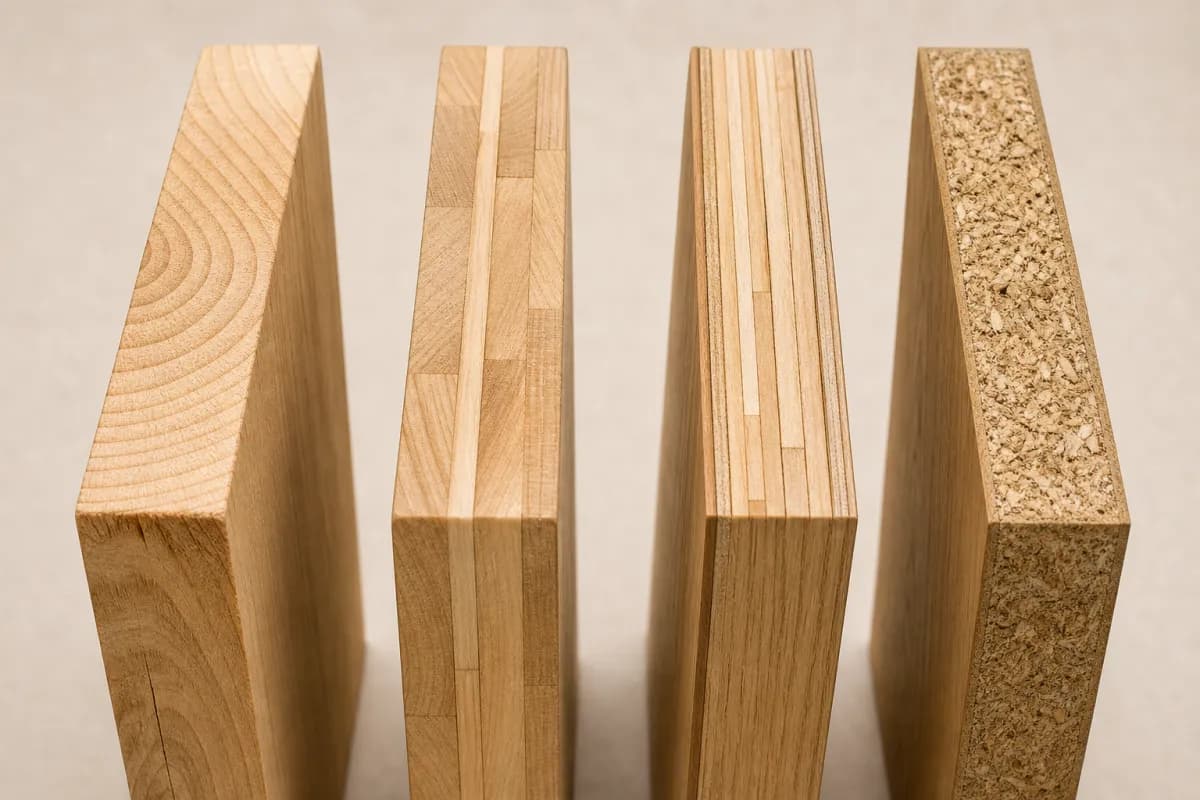
Furniture labelled "wood" varies enormously. Solid wood furniture is cut and joined from natural timber, while many budget pieces are actually particle board or blockboard covered with a thin layer of wood-grain veneer — similar in appearance, but completely different in structure, lifespan and feel.
The most common confusion is between "solid wood" and "whole wood": whole wood usually means a single uncut board, offering the highest stability and price; solid wood also includes glued solid-wood panels (multiple boards joined together), balancing stability and cost — the most common choice for custom furniture.
| Board | Structure | Strengths | Weaknesses | Best for |
|---|---|---|---|---|
| Solid wood | Cut from natural timber | Unique grain, most durable, repairable | Highest price, expands/contracts | Quality-focused, heirloom pieces |
| Glued solid-wood panel | Multiple solid boards joined | Stable, low warping, great value | Still needs regular care | Mainstream custom furniture |
| Veneered blockboard | Wood-strip core + thin veneer | Light, low cost | Edges absorb moisture, not repairable | Tight budget, non-humid areas |
| Particle board (system board) | Compressed wood chips | Flat, good for system cabinets | Poor moisture/load resistance | Cabinet carcasses, dry areas |
How to Choose Common Wood Species
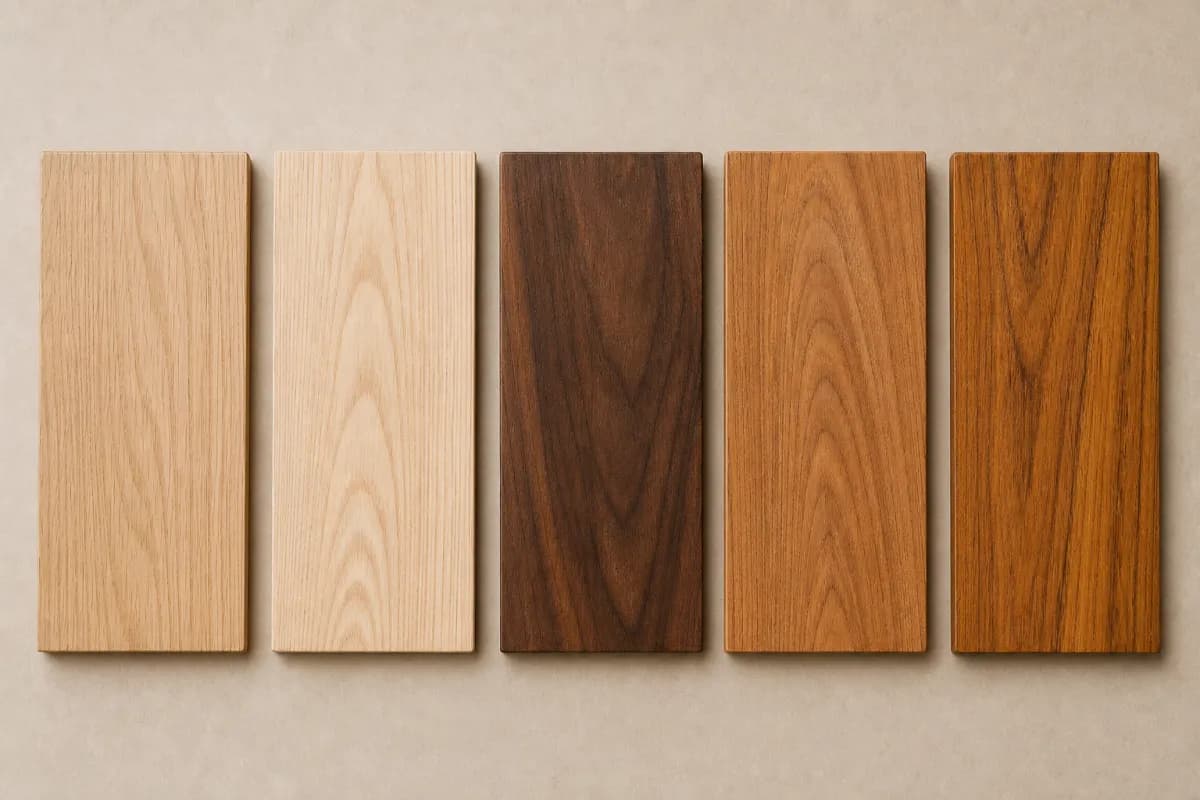
Hardness, grain and price vary widely by species. There is no single best choice — only what suits your use. These are the species most common in custom solid wood furniture:
| Species | Colour | Character | Suits | Price |
|---|---|---|---|---|
| Oak (white oak) | Light brown | Clear grain, hard, durable | Nordic, modern | Mid |
| Ash | Pale | Elastic, pronounced grain | Nordic, Japanese | Mid |
| Walnut | Dark brown | Calm, deep tone | Light-luxury, American | High |
| Tamo / Manchurian ash | Light yellow-brown | Bold grain, affordable | Rustic, Japanese | Budget |
| Teak | Golden brown | High oil, moisture-resistant, durable | Premium, outdoor | Highest |
The Benefits — and What to Be Prepared For
The greatest value of solid wood is durability and texture — instead of peeling like veneer, it can be sanded and re-oiled back to near-new. But natural material has its character; knowing this before you buy makes the experience easier:
- It breathes and moves: solid wood expands and contracts with humidity; tiny gaps or sounds are normal, not defects.
- It needs care: periodic oiling or waxing keeps its lustre and protection — not ideal if you dislike maintenance.
- Higher price: natural timber, labour and weight are all reflected in the price; it is not the same tier as particle board.
- Heavier weight: moving and repositioning needs more than one person, so plan the layout first.
Caring for Solid Wood in Taiwan's Humid Climate
Taiwan's humidity is the main cause of warping and cracking, but a few principles let solid wood furniture last longer than you might expect:
- Control humidity: keep indoor relative humidity around 40%–60%, using a dehumidifier in the rainy season.
- Avoid direct sunlight: prolonged exposure dries and fades the wood; keep pieces away from west-facing windows.
- Daily cleaning: wipe along the grain with a wrung-out damp cloth; avoid excess water and solvents like alcohol or thinner.
- Oil or wax regularly: maintain every 3–6 months depending on use to keep the surface protected.
- Avoid heat and temperature swings: don't place solid wood against heaters, appliance vents or directly under air-conditioning airflow.
Pre-Order Checklist: How to Avoid Fake Solid Wood
"Solid wood" is easy to claim in a showroom, but the actual material varies. Run through this checklist before ordering to avoid most pitfalls:
- Ask the solid-wood ratio: is it full solid wood, a solid-wood panel, or just a solid frame with veneered panels?
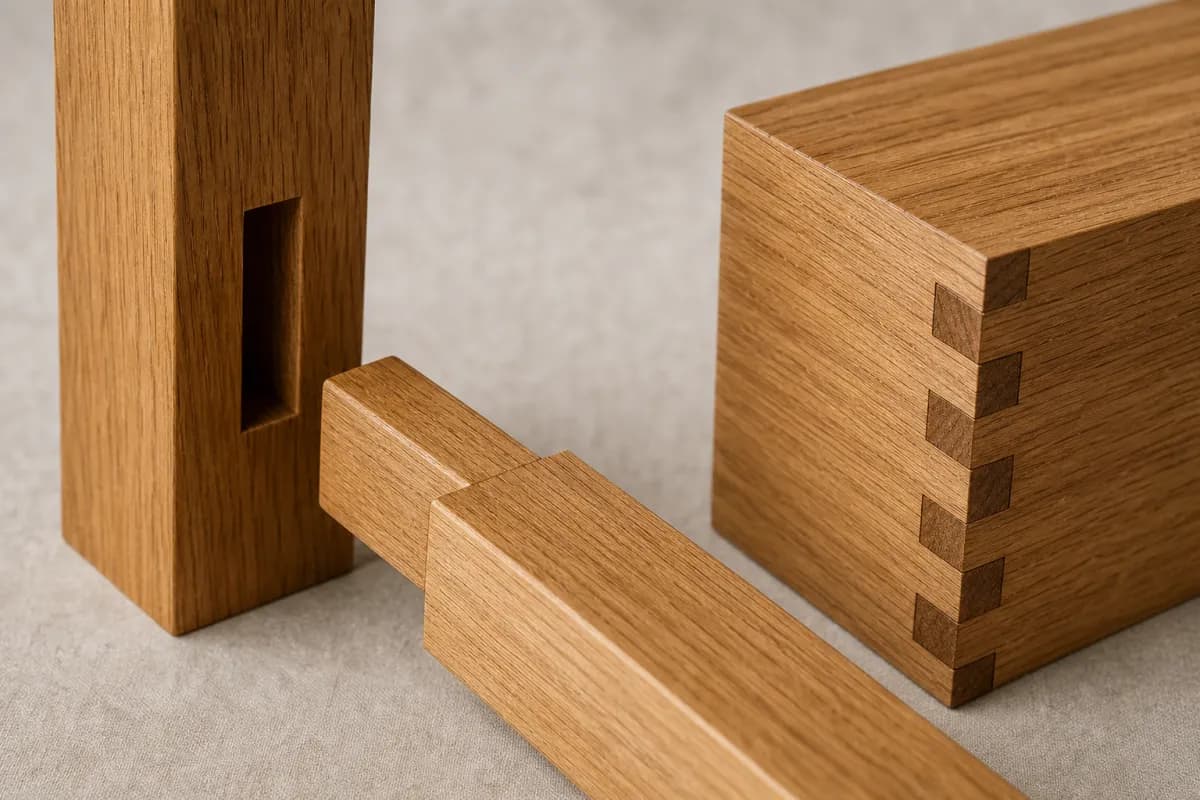
- Check the joinery: mortise-and-tenon and finger joints last longer than screws and glue alone.
- Confirm moisture content: in Taiwan, drying to around 12% or below reduces warping.
- Inspect edging and backing: veneer shows its weakness at edges and backs; solid wood pieces should use solid or equivalent material on the back too.
- Confirm hardware and warranty: ask about hinge and slide specs and the warranty scope before ordering.
Solid Wood Furniture FAQ
Does solid wood furniture crack?
Solid wood expands and contracts with humidity. With good humidity control and by avoiding direct sun and nearby heat sources, cracking is greatly reduced; fine joint gaps or occasional creaks are normal for natural material and don't affect structure. Real splitting usually comes from drastic humidity swings or a lack of care.
Are solid wood and whole wood the same?
Not exactly. Whole wood usually means a single uncut board with the highest stability and price; solid wood also includes glued solid-wood panels that balance stability and cost — the most common material for custom furniture. Both are natural timber and fundamentally different from veneer or particle board.
Does solid wood furniture need care, and how often?
Yes. Oil or wax it every 3–6 months depending on use, and wipe along the grain with a wrung-out damp cloth day to day. Well-maintained solid wood lasts many years and can even be sanded and refinished — the biggest difference from veneer furniture.
Is solid wood suitable for humid Taiwan?
Yes, with humidity management. Keep indoor relative humidity at 40%–60%, use a dehumidifier in the rainy season, and avoid placing pieces against exterior walls or in direct sun. Choosing properly kiln-dried solid wood with lower moisture content also reduces the risk of warping.
Why is solid wood furniture more expensive?
The price reflects natural timber cost, drying and processing, and greater weight and delivery effort. Solid wood is a durable good that can be used long-term and refinished — not the same tier as particle board or veneer; amortised over its lifespan, the long-term cost isn't necessarily higher.
Related Guides
Want to see the grain in person first?
The grain and feel of solid wood are best judged in person. Visit the MUXI showroom in Neihu to see real pieces, or add us on LINE and our home stylist will recommend wood species and items for your space.